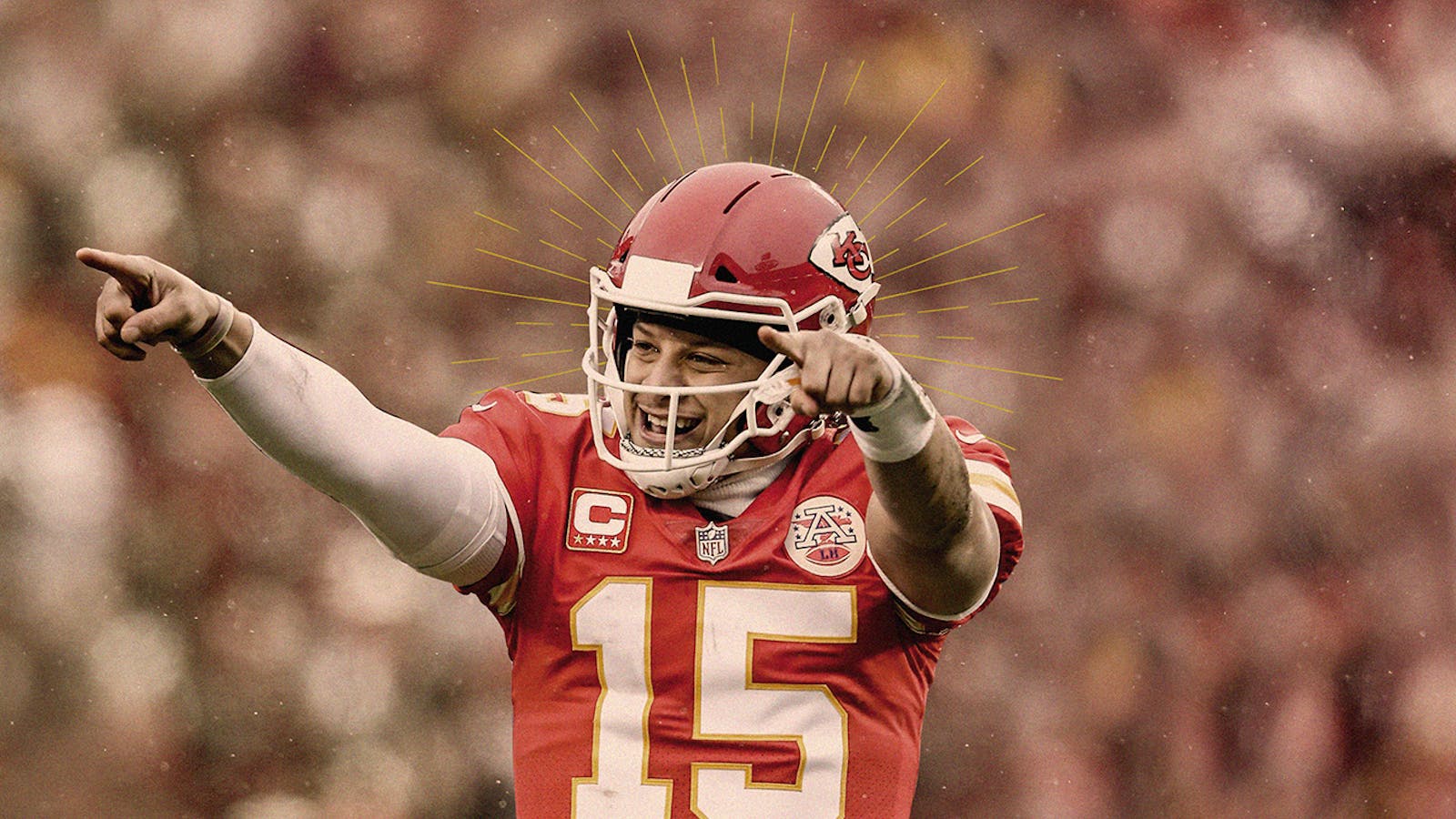
The Kansas City Chiefs dominated the NFL’s offensive landscape for five straight seasons. Even if they were down by 25, opposing teams knew their lead was unsafe. Teams had to defeat the Chiefs both on the field and on a mental level. If the games were close, defensive coordinators knew their hands would be full in the final moments because Mahomes and the remaining Kansas City offense showed so much resilience. Players like Tyreek Hill, Travis Kelce, Mecole Hardman, and Demarcus Robinson had unmatched chemistry with quarterback Patrick Mahomes. Their chemistry with Mahomes has made their offense difficult to defend in previous seasons. And if defenses could not match up with the Chiefs’ weapons, head coach Andy Reid ensured the film did not lie.
But in 2024, something changed—the Chiefs’ offense, while still capable, no longer terrified opponents. The stat sheet told one story — 15 wins, a third straight Super Bowl appearance — but the eye test said another. Teams no longer panicked when Kansas City had the ball. The threat of the 40-yard bomb faded. The offensive rhythm sputtered. The highlight reels shrank.
And then came the final blow: a humbling Super Bowl loss to the Eagles that exposed what Mahomes and Andy Reid built their legacy on — explosive playmaking.
The mission is clear as the 2025 season looms: Rebuild the scare factor.
But how does the NFL’s most decorated offense of the modern era rediscover its swagger?
Let’s start with the facts. In 2024, the Chiefs:
- Ranked 15th in points per game
- Ranked 27th in passing plays of 20+ yards
- Saw Mahomes post the lowest TD total (26) and yards per attempt (6.8) of his career
- Struggled with red zone efficiency and third-down conversions late in the year
Those numbers were jarring for an offense once defined by vertical speed, quick-strike scoring, and creative chaos.
It wasn’t all on Mahomes. The offensive line regressed, Kelce showed signs of wear, and the wide receiver room was a revolving door of inconsistency. But make no mistake: the drop-off was real and noticeable.
“The truth is, we weren’t scaring anyone,” Mahomes said during minicamp. “We moved the ball, we had our moments. But that fear? That sense that we could hit you for 70 at any moment wasn’t there last year.”
What Went Wrong
The decline in explosiveness can be traced to three core issues:
- Personnel Turnover and Injuries: The Chiefs cycled through receivers with different skill sets and struggled to find consistency. Rashee Rice emerged but faced legal issues, and a season-ending injury minimized his effectiveness in 2024. Marquise “Hollywood” Brown saw limited action after suffering a sternoclavicular joint injury during the preseason. Even Travis Kelce, the security blanket and mismatched nightmare, wasn’t quite himself — slower, less efficient, and often bracketed.
- Offensive Line Regression: The Eagles exposed it, but the signs were there all season. Mahomes was under more duress than usual, and the interior line, in particular, failed to hold up in key situations. That affected Mahomes’ timing, forcing him to rush throws or check down instead of letting deep routes develop.
- Conservative Playcalling: As a response to the above, Andy Reid’s offense shifted. The team ran more horizontal concepts, used short-area routes, and leaned heavily on timing and structure. The improvisational magic that once defined this unit took a back seat. Mahomes played safer, but he also played smaller.
The Path Back: Speed, Aggression, and Chemistry
So, how do they fix it?
This offseason, the Chiefs made moves that reflect an urgency to restore explosiveness:
- Xavier Worthy, the second-year wideout from Texas, brings legitimate 4.2 speed to the outside.
- Hollywood Brown, re-signed during free agency, offers vertical juice and the ability to separate.
- JuJu Smith-Schuster, back in the fold, provides reliability underneath to complement the speed.
“We’ve got guys that can roll,” Mahomes said in June. “Now it’s about using that speed to force defenses to respect us again.”
But it’s not just about speed. The Chiefs need Mahomes to trust his arm again, Reid to loosen the reins, and the unit as a whole to rediscover its creative identity.
“We’re pushing the ball downfield this year,” said Reid. “We’re testing defenses. That’s been the challenge we’ve laid out in the spring.”
What’s at Stake
For the Chiefs, this isn’t just about improving the offense. It’s about preserving a legacy.
The team’s defense has become elite under Steve Spagnuolo. But no one—not fans, Mahomes, or the league—wants to see the Chiefs become a defense-first squad. The offense is their identity. Their brand.
If the Chiefs are to continue their dynasty run — if Mahomes is to stay on track to be the greatest of all time — then the offense has to evolve without losing what made it special.
No one’s asking them to be the 2018 Chiefs again. But they do need to be more than average.
Fear Is Earned, Not Given
Kansas City used to strike fear because they earned it. They embarrassed defenses. They made the extraordinary feel routine. The mystique is gone for now, but not for good.
The pieces are there. The quarterback is still elite. The coaching is still sharp. However, the Chiefs need more than numbers to reclaim the scare factor. They need a swagger. They need urgency. And above all, they need that one play — the bomb, the off-script touchdown, the spine-chilling moment — that makes every defensive coordinator in the league mutter, “Here we go again.”
2025 starts with that mission in mind.
And Kansas City’s offense has something to prove for the first time in years.